About This Project
Preserving and sharing Yiddish modernist poetry
The Name
“Half-Voll” is halb fol — half full: the glass, and the attempt. The translations here are offered in that spirit, good enough to get you into the poem and never good enough to stand in for it.
The second half of the name is borrowed. In 1906 the Hebrew modernist Uri Nissan Gnessin (1879–1913), together with Shimon Bikhovski, founded a small press he called Nisyonot — Attempts. It published Hebrew literature in slim volumes, in the original and in translation, and Gnessin himself carried Baudelaire, Chekhov and the Yiddish of Mordkhe Spektor across into Hebrew. The press was short-lived, and its name was an honest one: the work understood itself as an attempt rather than a monument.
Half-Voll Attempts takes that name forward into Yiddish. The vessel is half full — brimming with untranslated writing that is waiting for readers — and everything here is published while it is still in progress, as what Gnessin called it: an attempt.
Celia Dropkin (1887–1956)
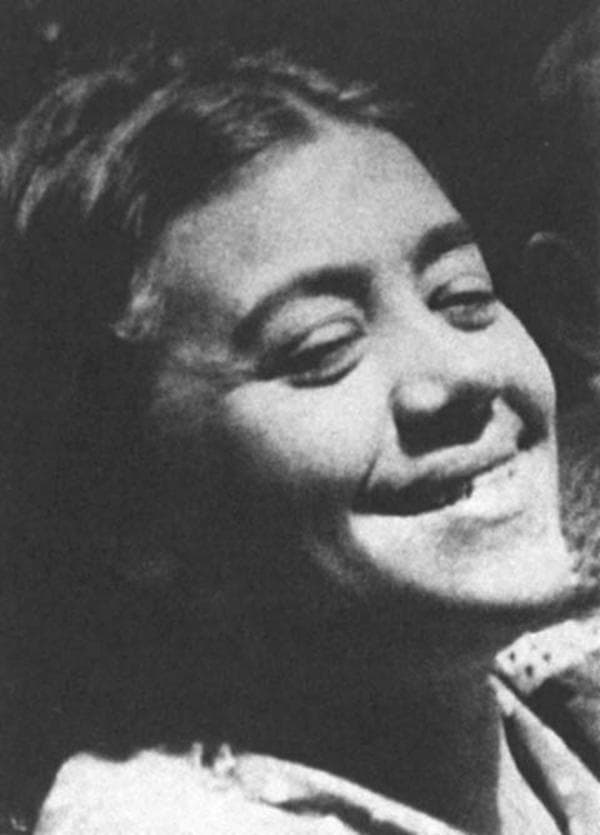
Celia Dropkin was one of the most distinctive voices of Yiddish modernist poetry. Born in Bobruisk (now Belarus), she emigrated to New York City in 1912, where she became part of the vibrant Yiddish literary scene.
Her poetry is characterized by its bold exploration of female desire, its sensual imagery, and its unflinching honesty about passion, longing, and mortality. In an era when women writers were expected to conform to modest conventions, Dropkin’s verse was revolutionary in its directness.
Her collection In heysn vint (In the Hot Wind), published in 1935, remains a landmark of Yiddish modernism. The poems collected here present a comprehensive selection of her work in a bilingual edition.
H. Leivick (1888–1962)
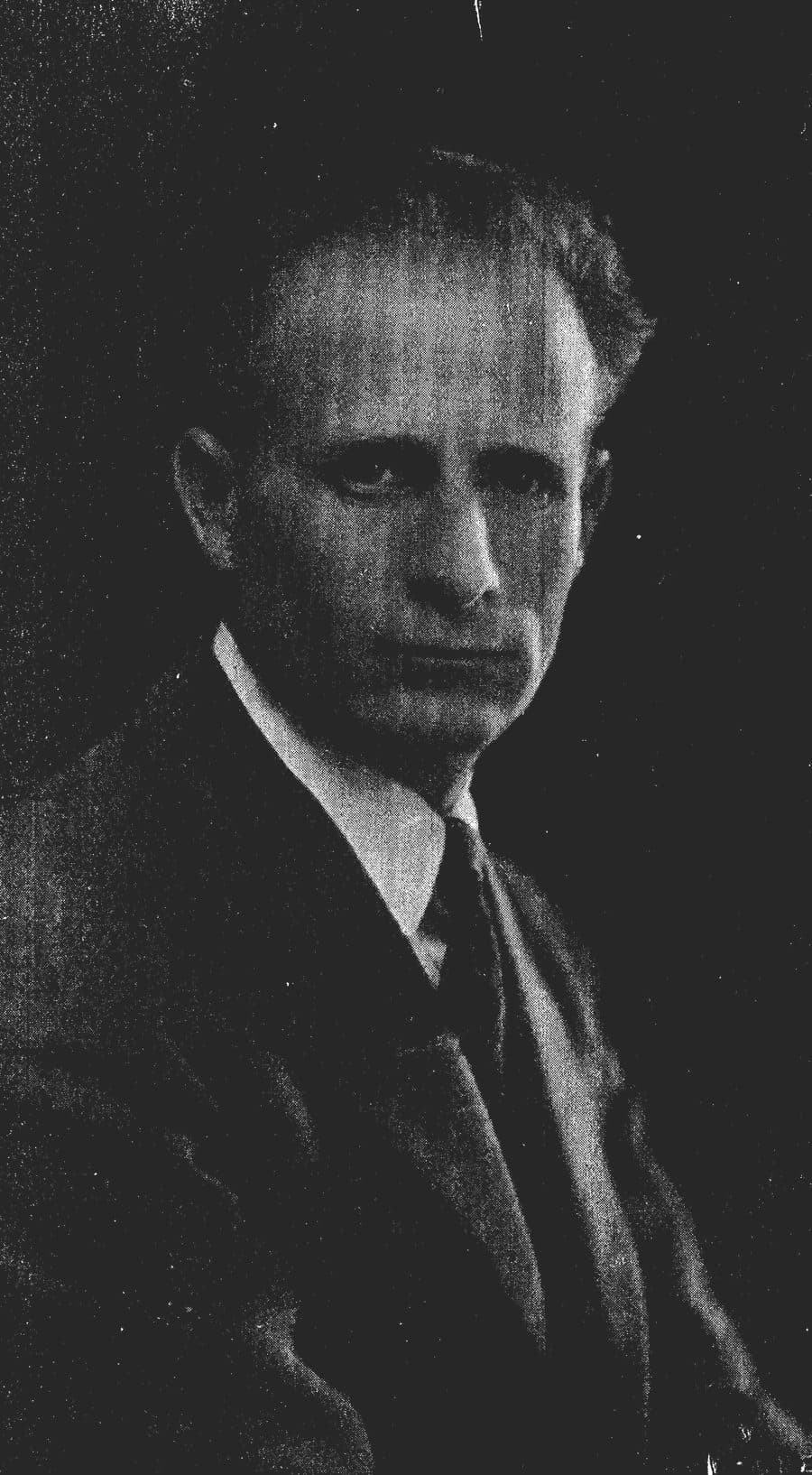
H. Leivick (born Leyvik Halpern in Ihumen, near Minsk) was one of the most significant Yiddish poets and playwrights of the twentieth century — he wrote under a pen name to avoid confusion with the already-established poet Moyshe-Leyb Halpern. Sentenced to lifelong exile in Siberia for his revolutionary activity, he escaped in 1913 and made his way to New York, where he supported himself for years as a wallpaper hanger while writing some of the era’s most enduring Yiddish verse.
His work is marked by a profound moral seriousness—an unrelenting meditation on suffering, redemption, and the dignity of the human spirit. His dramatic poem The Golem (1921) remains one of the most celebrated works of the Yiddish stage.
This archive presents the first volume of his Complete Works (the 1940 Jubilee Edition), digitized from the original edition and translated with transliterations for readers approaching the Yiddish for the first time.
About the Translation
This digital archive presents each poem in four versions:
- •Yiddish Original — The poem as Dropkin wrote it, in Hebrew script
- •Transliteration — YIVO-based romanization, allowing readers unfamiliar with Hebrew script to sound out the original
- •English Translation — A faithful translation that preserves both meaning and poetic spirit
- •German Translation — Given Yiddish’s Germanic roots, the German translation offers another window into the original
Translations and commentary by Sam Frons.
Digital Archive
This website is designed as a digital archive for Yiddish literature. Each poem can be viewed in parallel columns, allowing readers to move between languages and appreciate both the original and its translations.
The archive is an ongoing project. Future additions will include more works of Yiddish literature, scholarly annotations, and audio recordings.
Portrait of Celia Dropkin via Wikimedia Commons (CC BY-SA 4.0). Portrait of H. Leivick (1931) via Wikimedia Commons (public domain).